
Apartment की छत खाली दिख रही है और vendor ने society को rooftop solar का प्रस्ताव दिया है। अगले ही सवाल पर बातचीत अटक सकती है—बिजली lift और पानी की motor में जाएगी या प्रत्येक flat का bill घटेगा? यह बात शुरुआत में स्पष्ट करना जरूरी है, क्योंकि common-area solar project और हर flat के अलग electricity account का arrangement एक जैसा नहीं होता।
RWA/GHS solar की पहली तैयारी subsidy का जोड़ नहीं, सही connection, छत के अधिकार और society की जिम्मेदारी पहचानना है। यह गाइड common facilities वाले project की बैठक, quotation और DISCOM discussion के लिए है। किसी राज्य के virtual/group net-metering नियम या आपके project की CFA राशि को अपने आप लागू नहीं माना गया है।
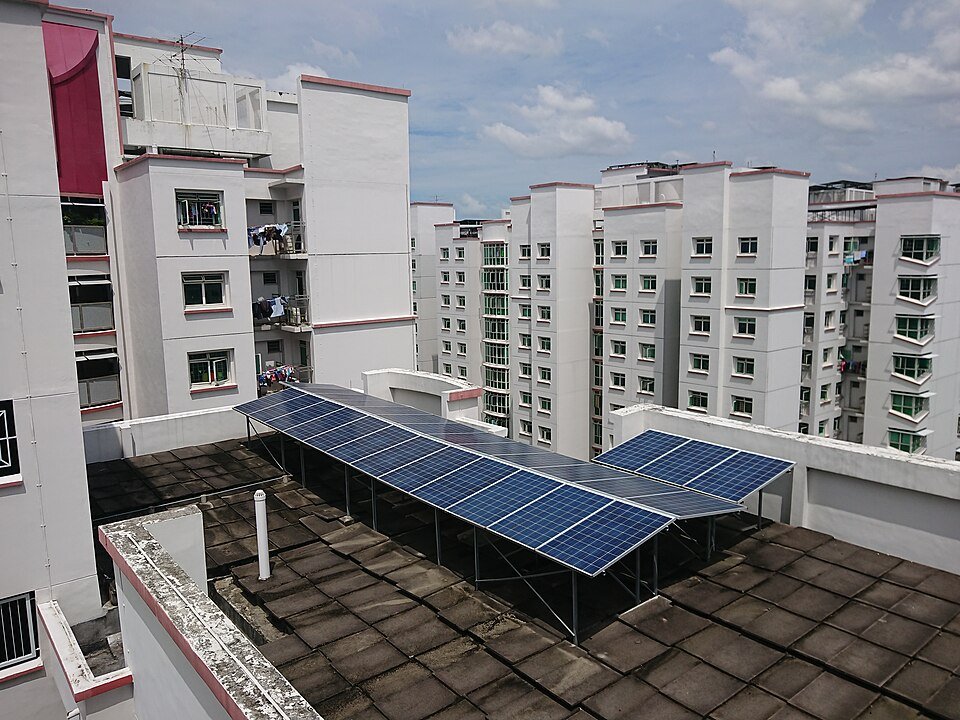

सबसे पहले तय करें: system किस meter से जुड़ेगा?
Lift, corridor lights, water pump, security room और common EV charging के bills किस consumer number में आते हैं? क्या हर tower का अलग common connection है? क्या किसी commercial हिस्से की supply भी उसी meter में शामिल है? पिछले bills सामने रखकर यह सूची बनाएँ। एक society नाम के पीछे कई connection categories छिपी हो सकती हैं।
दिल्ली सरकार का current central-subsidy पेज GHS/RWA segment को common facilities, जिसमें EV charging भी शामिल है, से जोड़ता है। इससे individual flat के bill में अपने आप credit बनने का निष्कर्ष न निकालें। यदि vendor ऐसा प्रस्ताव देता है, तो अपने DISCOM से लागू metering व्यवस्था, पात्र consumer category और आवश्यक approvals लिखित में पूछें।
| Connection/खपत | कौन-सा record देखें? | प्रस्ताव में क्या स्पष्ट करें? |
|---|---|---|
| Lift और common lighting | Consumer number, tariff category, monthly units | इसी load के लिए solar adjustment होगा? |
| Water pump और अन्य motors | किस meter पर हैं, operating hours | Common load estimate में शामिल हैं? |
| Individual flat | अलग household meter और bill | Common project से automatic bill credit न मानें |
| EV charging | Connection/usage तथा billing arrangement | क्या प्रस्तावित common-facility use approved है? |
| Shop/commercial हिस्सा | Connection category और अलग consumption | Eligibility पर असर DISCOM से स्पष्ट कराएँ |
छत और society की सहमति की file
छत पर जाने की सुविधा और solar लगाने का अधिकार अलग बातें हैं। Ownership/handover papers, society के लागू bylaws और roof/common-area rights देखें। किसी resident का exclusive-use दावा, water tank, fire access या पहले से लगा equipment हो तो उसे नज़रअंदाज़ न करें। केवल committee के किसी एक सदस्य की मौखिक सहमति को पूरे अधिकार का प्रमाण न बनाएं।
Society की वैध प्रक्रिया के अनुसार बैठक और resolution में project purpose, अधिकृत signatory, प्रस्तावित connection, खर्च की सीमा, vendor selection और maintenance की जिम्मेदारी दर्ज करें। किस quorum या consent की जरूरत होगी यह स्थानीय legal structure पर निर्भर है; इस लेख का नमूना सार्वभौमिक legal format नहीं है। विवाद हो तो पहले योग्य स्थानीय सलाह और ownership records स्पष्ट करें।
कितना बड़ा system चाहिए: roof और bill दोनों देखें
Vendor को common connection के पिछले बारह महीनों के उपलब्ध bills दें। केवल सबसे ज्यादा bill वाले महीने से पूरा design न चुनें। Technical survey में usable roof, shading, structural condition, safe access और wiring route देखें। पुराने individual solar plants लगे हों तो उनका capacity/approval record भी सामने रखें, ताकि नए proposal की applicable limits और metering पर सही जाँच हो सके।
Panel की rated capacity, अनुमानित generation और वास्तविक bill saving अलग numbers हैं। Vendor से assumptions लिखवाएँ—किस location/weather estimate का आधार है, common-area consumption कब होता है, export का settlement कैसे माना गया है और कौन-से fixed charges बचते नहीं हैं। इस गाइड में प्रति kW निश्चित generation, payback period या zero-bill promise नहीं दिया गया है।
तीन पक्षों की जिम्मेदारी एक कागज पर लिखें
| पक्ष | मुख्य जिम्मेदारी स्पष्ट करें | जमा होने वाला evidence |
|---|---|---|
| Society/RWA | Consent, budget, authorised signatory, common account और resident communication | Resolution, bills, अधिकार/handover papers |
| Vendor/technical professional | Survey, design, equipment specification, installation, safety और agreed service | Written scope, quotation, warranty व inspection records |
| DISCOM/संबंधित authority | Applicable connection/metering process और grid-connection approvals | Application reference, feasibility/approval तथा commissioning record |
| Developer, जहाँ common assets अभी उसके पास हों | Resident benefit और future asset handover की लिखित जिम्मेदारी | Undertaking, ownership/service terms और handover inventory |
कोई एक पक्ष दूसरे की मंजूरी का विकल्प नहीं है। Vendor registration से society consent नहीं बनता; committee resolution से DISCOM approval नहीं मिलता। हर stage के reference और जिम्मेदार contact की सूची रखें।
RWA बनने से पहले developer solar लगाए तो क्या पूछें?
MNRE के 19 नवंबर 2024 clarification में संबंधित developer/promoter मामलों के लिए assets को बाद में residents की संस्था को सौंपने और subsidy का लाभ common-facility charges/tariffs में देने की undertakings बताई गई हैं। मंत्रालय की उसी महीने की policy update इसका संदर्भ स्पष्ट करती है। अपने वर्तमान project में लागू documentary requirements और approval अलग confirm करें।
परिवारों को सिर्फ “builder लगा रहा है, बाद में society को मिल जाएगा” से आगे की जानकारी चाहिए। Asset का मालिक कौन रहेगा, inverter/panels की warranties किस नाम में हैं, monitoring login किसे मिलेगा और handover के बाद service का खर्च कौन देगा—लिखवाएँ। Residents की संस्था बनने पर actual handover inventory और agreed benefit का record माँगें।
Subsidy को budget में कब और कैसे रखें?
Quotation में gross project cost, applicable tax, meter/connection work, roof work, maintenance और financing अलग दिखें। CFA का अनुमान हो तो vendor से source/date, applicable segment, eligible capacity और exclusions लिखवाएँ। National framework, बाद के amendments और आपके DISCOM का current written confirmation मिलने से पहले अनुमानित subsidy को confirmed bank receipt न मानें।
इस गाइड में किसी fixed current CFA rate या capacity cap को आपकी society की entitlement की तरह नहीं दिया गया है। इसका कारण यह है कि सही amount के लिए individual बनाम group segment, existing capacity, location और लागू revised rules एक साथ जाँचने होते हैं। बैठक में दो budgets रखें—सत्यापित सहायता मिलने पर net cost और सहायता delay/adjust होने पर cash-flow जरूरत। इससे vendor payment की तारीख और society के पास उपलब्ध fund का अंतर दिखेगा।
बचत society के accounts में कैसे दिखेगी?
Commissioning के बाद generation record और common electricity bill दोनों सँभालें। Generation units को सीधे हर flat के bill में बराबर बाँट देना accounting नहीं है। Committee को maintenance billing के लागू तरीके के अनुसार actual common expense और benefit दिखाना चाहिए। Warranty, cleaning, repairs और reserve की लागत भी budget में दर्ज हो।
System के ownership/operation model से जिम्मेदारी बदल सकती है। Society equipment खरीद रही है या किसी service/PPA model में electricity ले रही है, contract में समझें। नया agreement sign करने से पहले अवधि, price changes, termination, roof access, damage repair और service contact पढ़ें। Panel लगाने के बाद भी safe roof access और emergency routes खुले रखने की technical जिम्मेदारी स्पष्ट होनी चाहिए।
Society की बैठक में पूछे जाने वाले छोटे सवाल
क्या common solar से हर flat का bill अपने आप घटेगा?
नहीं। Common connection और individual consumer accounts अलग देखें। किसी sharing arrangement के लिए लागू DISCOM/state rules और approval चाहिए।
क्या committee resolution अकेला पर्याप्त है?
उसके साथ roof rights, society की वैध consent प्रक्रिया, technical suitability और connection approvals भी जाँचें।
Vendor ने subsidy घटाकर quote दिया है, क्या उतना ही देना होगा?
Payment terms और subsidy delay/rejection का जोखिम कौन उठाएगा, लिखित में पढ़ें। केवल net-cost advertisement से पूरा contract तय न मानें।
Connection अभी builder के नाम है तो?
Authority और DISCOM से सही applicant/ownership route पूछें। बिजली connection name-change guide records अलग रखने में मदद करेगी।
Individual household का system देख रहे हों तो PM Surya Ghar की मुख्य गाइड पढ़ें। Society के common-facility project का proposal उसके अलग segment और connection के अनुसार तैयार करें।
आधिकारिक स्रोत
स्रोत जाँच: 9 नवंबर 2026। यह RWA की तैयारी और governance guide है; किसी live subsidy claim, tariff या technical feasibility की मंजूरी नहीं।